
Your Casino’s KYC Check Happens at the Worst Possible Time. Here’s How to Get Ahead of It.
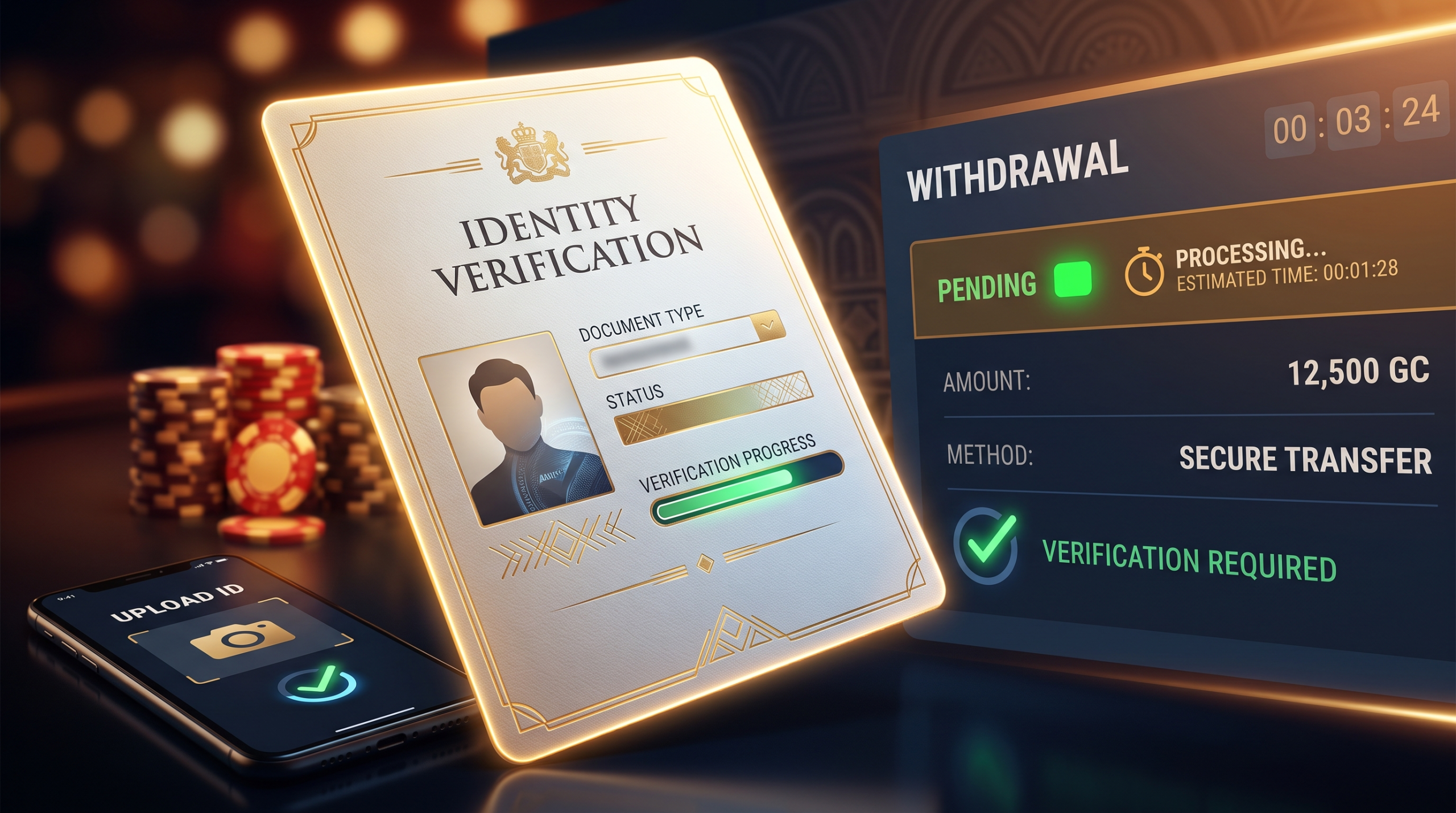
Every Canadian online casino will verify your identity. This isn’t a policy quirk or an optional step buried in a menu somewhere. It’s a regulatory requirement, and it applies whether you’re playing at a provincially regulated operator or a grey-market site with a Curaçao licence. The difference isn’t whether KYC happens. It’s when it happens, and that timing is where the frustration lives.
Most operators don’t ask for documents when you sign up. They don’t ask when you deposit. They ask when you try to withdraw, which is the exact moment you’re least interested in administrative procedures. You’ve won something, you want it out, and now someone is asking for a photo of your driver’s licence and a utility bill from the last 90 days. The delay that follows isn’t a payment processing issue. It’s a verification queue, and it can add two to seven business days to your first cashout.
The process itself isn’t complicated. But almost nobody understands what’s actually being checked, what documents get rejected and why, or that you can complete the entire thing before you ever hit the withdrawal button. That last part changes the experience entirely.
What KYC Actually Is and Why Casinos Time It the Way They Do
KYC stands for Know Your Customer. It’s an anti-money-laundering requirement that applies to financial services broadly, and online gambling operators specifically. Under most regulatory frameworks, including Ontario’s AGCO oversight structure, operators must confirm that you are who you say you are, that you’re of legal gambling age, and that the payment method you’re using belongs to you.
The reason most casinos delay this until your first withdrawal is straightforward: it reduces friction at signup. Every additional step between a new player and a first deposit costs the operator conversions. Asking someone to photograph their passport before they’ve even seen the game lobby would cut registration completions significantly. So operators push verification to the point where you’re already invested, literally, and less likely to abandon the process.
This isn’t illegal or even unusual. It’s standard practice across the industry. But it does mean the operator has designed the experience so that the administrative burden falls on you at the moment you’re most eager for speed. That’s worth understanding clearly.
What They’re Going to Ask For
The document requirements are broadly consistent across operators, though the specific list varies. At minimum, expect three categories: identity, address, and payment verification. Identity means a government-issued photo ID. A Canadian driver’s licence or passport works. Health cards are rejected by most operators because they’re not universally accepted as primary ID across all provinces.
Address verification means a utility bill, bank statement, or government letter showing your name and current address. The document typically needs to be dated within the last 90 days. Screenshots are rejected by most compliance teams. They want a photo of the physical document or a downloaded PDF. A phone bill from Telus or Rogers works. A credit card statement works. A handwritten note with your address on it does not.
Payment verification depends on your deposit method. If you used a Visa, they may ask for a photo of the card with the middle digits obscured. If you used Interac e-Transfer, some operators ask for a screenshot of the transaction from your banking app. The point is to confirm that the payment method is yours, not someone else’s.
Why Documents Get Rejected and What That Costs You
The single most common reason for KYC rejection is image quality. A blurry photo of a driver’s licence taken on a dim kitchen counter at 11 p.m. will bounce. Corners cut off, glare covering the expiry date, a thumb over the photo. These all trigger a rejection, and each rejection restarts the review queue. At operators with 24 to 48 hour review windows, two rejections can add four to six business days to your withdrawal timeline.
The second most common issue is mismatched names. If your casino account says “Mike” but your licence says “Michael,” some compliance teams will flag it. If your married name is on your ID but your maiden name is on your utility bill, that’s another flag. These aren’t trick questions. They’re pattern-matching exercises run by compliance staff who process hundreds of submissions daily and err on the side of rejection.
Expired documents are an automatic reject. An address document older than 90 days is an automatic reject. A health card submitted as primary ID at an operator that doesn’t accept it is an automatic reject. Each of these is avoidable if you know the requirements before you submit.
The Early Verification Option Nobody Uses
Most operators allow you to submit verification documents at any time, not just at withdrawal. The upload option is typically buried in your account settings under a section labelled “Verification,” “Documents,” or “My Account.” It’s not promoted. There’s no prompt during signup. No reminder after your first deposit. The operator has no commercial incentive to make this easy to find, because verified players who haven’t withdrawn yet are just players who might change their mind.
But completing verification early, ideally within your first session or the day after your first deposit, changes the withdrawal experience completely. When your documents are already approved, your first withdrawal skips the verification queue entirely and goes straight to payment processing. At an operator where internal review takes 24 to 48 hours and payment transfer takes another one to three business days, removing the KYC step can cut your total wait time roughly in half.
I’ve seen enough cashier complaint threads on Canadian gambling forums to know that the majority of “slow withdrawal” complaints trace back to KYC, not to payment processing. The casino didn’t hold your money. You hit a compliance queue you didn’t know existed.
How Long Verification Actually Takes
Review times vary by operator, but the typical range is 24 to 72 hours for a first-time submission with clean documents. Some provincially regulated operators in Ontario process verifications within a few hours during business days. Some grey-market operators with smaller compliance teams take three to five business days. A small number of operators offer near-instant automated verification using third-party identity services, but these are still the exception rather than the norm in the Canadian market.
The key variable isn’t the operator’s stated timeline. It’s whether your documents pass on the first attempt. A clean submission reviewed in 48 hours is faster than a rejected submission reviewed in 24 hours, because the rejection sends you back to the start. Getting the documents right the first time matters more than the operator’s processing speed.
What Changes at Higher Withdrawal Amounts
KYC isn’t a one-time gate for every player. Many operators have tiered verification thresholds. Your first withdrawal might require standard identity and address documents. But a withdrawal above a certain amount, often $2,000 or $5,000 CAD depending on the operator, can trigger enhanced due diligence. This might mean additional documentation: a source-of-funds letter, a bank statement showing the deposit origin, or a selfie holding your ID next to your face.
These enhanced checks aren’t arbitrary. They’re tied to anti-money-laundering thresholds that operators are required to enforce. But they catch players off guard because the initial verification felt like the finish line. It wasn’t. It was the first tier. If you’re playing at stakes where a $3,000 or $5,000 withdrawal is realistic, check the operator’s terms for enhanced verification triggers before you’re in the middle of one.
Honest Assessment
KYC verification is the single most controllable variable in your withdrawal timeline, and almost nobody controls it. The process is straightforward, the documents are things you already have, and the upload option exists before you ever need it. The only reason it feels like a barrier is that operators have deliberately positioned it at the moment of maximum impatience.
Complete your verification the day you open your account. Use a well-lit photo of an unexpired government ID. Submit a recent utility bill as a PDF, not a screenshot. Make sure the name on every document matches the name on your casino account exactly. Do this once, do it properly, and you remove the single biggest delay between clicking “withdraw” and seeing funds in your bank account. The players who complain about five-day withdrawals and the players who verify early are, overwhelmingly, different groups of people.
The casino isn’t hiding the verification requirement. It’s just not in any hurry to remind you about it. That’s a design choice, not a secret, and the fix is ten minutes of effort on day one instead of four days of waiting on the day it matters.
Gambling is entertainment with a cost attached, so set limits before you play and visit our Responsible Gaming page for support resources, safer-play tools, and help options if gambling stops feeling fun.


Leave a Comment