
Self-Exclusion Sounds Permanent. Here’s What Actually Happens When You Try to Come Back.

Self-exclusion is the responsible gambling tool that sounds the most decisive. You activate it, you’re out, the casino locks the door. Every regulated operator in Canada offers some version of it, and the messaging around it is always the same: this is for people who need a hard stop. What almost nobody explains clearly is what happens on the other side. Not the exclusion itself, but the reinstatement. The process of coming back.
That gap matters more than it seems. Because the reinstatement process is where you find out what self-exclusion actually was. A permanent exit, a cooling-off period, a soft pause with a waiting room, or something that varies so much between operators that two players who excluded on the same day could have completely different experiences trying to return six months later.
Most responsible gambling content stops at “here’s how to self-exclude.” That’s the easy part. The harder question is what the tool actually does to your account, your data, and your options once the period ends.
Self-Exclusion Isn’t One Tool. It’s Several, Wearing the Same Name.
The term “self-exclusion” covers a range of mechanisms that work differently depending on where you play and who regulates the operator. In Ontario, under the iGaming Ontario framework, registered operators are required to offer self-exclusion options with minimum durations. The provincial self-exclusion programme, GameStop Ontario, applies across all registered sites simultaneously. That’s a meaningful distinction. Excluding from one operator is not the same as excluding from the provincial system.
At grey-market operators, self-exclusion is typically handled at the site level. You request it through support or through an account settings page, and the operator locks your account for the duration you select. There’s no central registry, no cross-operator enforcement, and no external oversight of how the process works. The tool exists because it’s expected, not because anyone is auditing it.
Duration options typically range from six months to five years, with some operators offering a permanent option. But “permanent” in this context doesn’t always mean what it sounds like. I’ve seen operators where permanent self-exclusion can be reversed after a mandatory waiting period and a written request. Others treat it as genuinely irreversible. The word is the same. The policy behind it is not.
What Actually Happens to Your Account During Exclusion
When self-exclusion activates, the operator is supposed to close your access to the casino lobby, suspend marketing communications, and in most cases, return any withdrawable balance. That last part is worth paying attention to. If you have an active bonus with wagering requirements still in progress, the bonus and any associated winnings are typically forfeited. The operator isn’t going to pause your wagering clock and resume it in six months.
Your account data stays on file. It has to, because the operator needs to be able to identify you if you try to create a new account during the exclusion period. Under Ontario’s regulatory framework, operators are expected to take reasonable steps to prevent excluded players from re-registering. In practice, that means your name, email, date of birth, and payment details are flagged. It doesn’t mean the system is foolproof.
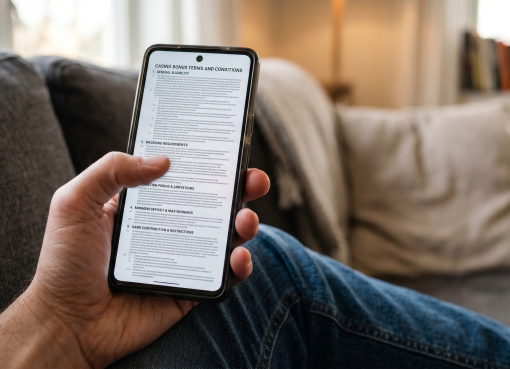
Loyalty points and VIP status are handled inconsistently. Some operators freeze your tier and restore it upon reinstatement. Others reset everything. The terms usually specify this, but almost nobody reads the self-exclusion terms before activating the tool, because the moment you’re activating it is rarely the moment you’re reading fine print carefully.
The Cooling-Off Period That Happens After the Cooling-Off Period
Here’s the part that catches people off guard. When your self-exclusion period ends, your account doesn’t just unlock automatically. At most regulated operators, reinstatement requires an active request. You have to contact support, confirm your identity, and in some cases, complete a 24-hour reflection period before the account is reactivated. The exclusion period ends, but a second waiting period begins.
Under Ontario’s framework, operators are expected to include a mandatory cooling-off buffer before reinstatement. The player can’t simply log in the day the clock runs out. This is designed to prevent impulsive re-entry, and it’s one of the better ideas in the responsible gambling toolkit. But the length and structure of that buffer varies. Some operators use 24 hours. Others use 72 hours. Some require a phone call. Others accept an email.
At grey-market sites, reinstatement is often faster and less structured. I’ve seen accounts reactivated within hours of a support chat request, with no reflection period and no additional verification. That speed might feel convenient, but it defeats the purpose of the tool entirely. If self-exclusion is supposed to create a barrier between impulse and action, a five-minute support chat isn’t much of a barrier.
The Marketing Reactivation Problem
One of the least discussed aspects of reinstatement is what happens to your marketing preferences. During self-exclusion, the operator is required to suppress promotional communications. Emails, SMS, push notifications. All of it should stop. When your account is reinstated, those preferences don’t always stay suppressed. Some operators default your marketing settings back to “opted in” upon reactivation.
This is a design choice, not an accident. A reactivated player is a high-value target. They’ve been away for months or years, they’re returning voluntarily, and they’re statistically more likely to deposit within the first 48 hours of reinstatement. The operator knows this. The welcome-back bonus that lands in your inbox three hours after reactivation isn’t a coincidence. It’s a retention play aimed at the exact moment you’re most vulnerable to it.
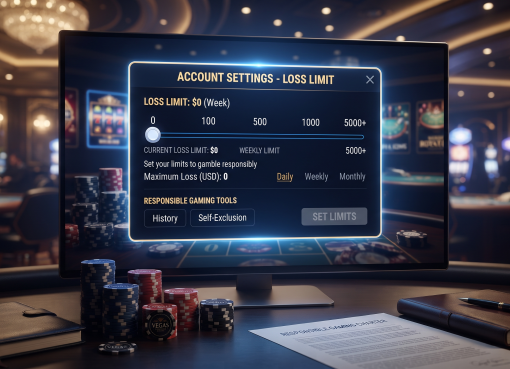
If you’re reinstating an account after a self-exclusion period, check your communication preferences immediately. Don’t wait for the first promotional email to remind you. Set deposit limits before you do anything else. The tools are there, but they’re not going to set themselves.
Provincial Systems vs. Operator-Level Exclusion
The most important distinction Canadian players need to understand is the difference between excluding from a single operator and excluding through a provincial programme. Ontario’s GameStop programme, for example, applies across all iGaming Ontario-registered operators simultaneously. If you self-exclude through GameStop, you can’t just switch to a different regulated site. That’s the point.
Operator-level exclusion only covers that specific site. A player who self-excludes from one grey-market casino can sign up at another one the same afternoon. There’s no shared registry, no cross-referencing, no enforcement mechanism. The tool works only as well as the player’s own discipline, which is a strange thing to rely on given that the tool exists precisely because discipline alone wasn’t enough.
For players in provinces without a centralised self-exclusion registry for online gambling, operator-level exclusion is the only option. It’s better than nothing, but it’s a lock on one door in a building with fifty entrances.
Honest Assessment
Self-exclusion is the most important responsible gambling tool available, and it’s also the one most players understand the least before they use it. The activation is straightforward. The reinstatement is where the gaps show up. Operators treat reinstatement differently, and the quality of that process tells you something real about whether the site views responsible gambling as a compliance checkbox or an actual commitment.
If you’re considering self-exclusion, use a provincial programme where one exists. It removes the option of simply switching sites, which is the most common workaround and the one that undermines the tool entirely. If you’re at an operator that only offers site-level exclusion, understand that the barrier is only as strong as that single account lock. And if you’ve already excluded and you’re thinking about reinstatement, the reflection period isn’t a bureaucratic annoyance. It’s the tool working exactly as it should. The fact that it feels inconvenient is the point.
The measure of a responsible gambling tool isn’t how easy it is to activate. It’s how seriously the operator treats the moment you try to undo it. A 24-hour reflection period and a manual review aren’t obstacles. They’re the difference between a tool that protects players and a feature that just looks like one.
Gambling is entertainment with a cost attached, so set limits before you play and visit our Responsible Gaming page for support resources, safer-play tools, and help options if gambling stops feeling fun.
Leave a Comment