
OLG’s New App Is Better. Better Than What Is the Right Question.

OLG just relaunched its app. The press release describes a “revamped mobile experience” built on React Native technology, promising fast and seamless omnichannel performance. The tone is confident. The subtext, if you’ve been watching Ontario’s regulated market for a few years, is something closer to relief.
The crown corporation that operates Ontario’s only government-run online casino is now competing directly against 47 licensed private operators, most of whom have been building and iterating their mobile products since 2022. I’ve used enough of those competing apps to have a baseline. The OLG app was falling behind. This rebuild is OLG trying to close that gap. Whether it does is a different question from whether it launched.
What Actually Changed in the App
OLG partnered with Bede Gaming and mkodo for the rebuild. The new app runs on Bede’s React Native framework, which means one codebase for both iOS and Android rather than two separate builds. From OLG’s side, that means lower maintenance overhead and faster updates when something needs to change. From a player’s side, it should mean fewer instances of the iOS and Android experiences feeling meaningfully different from each other.
The other addition is geolocation, handled by mkodo’s GeoLocs technology. This is a compliance requirement in Ontario’s regulated market, not a feature — players have to be physically inside the province to access real-money play. What the new geolocation layer is supposed to do is handle that check without creating friction. The old experience had geolocation issues that players noticed. I’ve read enough complaints about login failures and location errors on OLG’s platform to know it was a real problem, not an edge case.
Bede’s app reportedly has over one million monthly users across its various operator deployments. That’s a known-quantity platform, not an experiment. OLG choosing an established framework rather than continuing to build in-house is a more sensible decision than it might look from the outside.
The Context Nobody Puts in the Press Release
Ontario opened to private operators in April 2022. The companies that arrived — bet365, DraftKings, FanDuel, BetMGM, theScore Bet — came with apps they’d been refining in other regulated markets for years. They knew what mobile casino UX looked like when it worked. OLG, by contrast, was a crown corporation that had been running a government lottery platform and wasn’t built for that kind of competition.
Four years in, OLG has 47 private competitors in its own province. A Blask market research report cited in the coverage notes that Ontario is the only province where the regulated market is meaningfully containing the grey market. That’s a real achievement for the Ontario framework overall. It doesn’t automatically translate to OLG specifically performing well against its private competition.
The rebuild is an acknowledgement that the product needed work. That’s fine — acknowledging it and fixing it is the right sequence. But players who have been defaulting to a private operator’s app for the past two years aren’t going to switch back on the strength of a press release. They’ll switch back when the experience is genuinely better, and that’s a question the announcement can’t answer.
What I’d Actually Check Before Switching Back
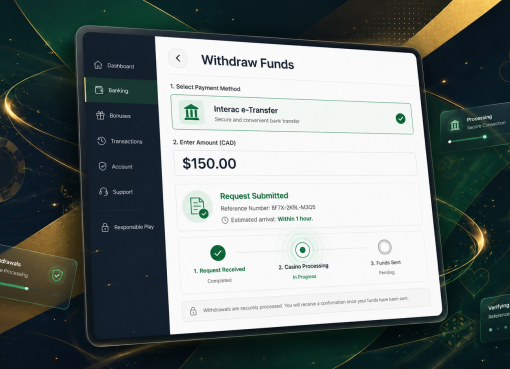
If you’ve been using a private Ontario operator’s app and are curious whether the new OLG experience is worth revisiting, the things I’d look at first aren’t the game lobby or the bonus offers. I’d check the deposit and withdrawal flow — specifically how many taps it takes to reach the cashier, whether Interac deposit confirmation is instant, and how clearly the withdrawal processing time is communicated before you request it. Those are the moments where app quality is most obvious and where OLG has historically had friction.
I’d also check the PlaySmart tools before putting money in. Where do deposit limits live in the new navigation? Can you set a session timer from inside a game, or do you have to exit to account settings? On a well-built regulated app, those tools should be reachable in two taps from anywhere. If they’re buried, that tells you something about what the rebuild prioritised.
The geolocation fix, if it holds, matters more than it sounds. A platform that fails to verify your location correctly and locks you out mid-session is a platform you stop trusting quickly. If the mkodo integration has genuinely resolved the location error issues, that alone removes a significant reason players had for abandoning OLG in favour of a private operator whose app just worked.
The Honest Read
OLG needed a better app. They’ve built one, or at least started building one — how a React Native rebuild performs at scale under real traffic is something you find out after launch, not before it. The technology choice is sensible. The timing, four years into competing against private operators who arrived with mature mobile products, is late. Both things are true.
What this isn’t is a reason to make any immediate decisions about where you play. The case for using OLG over a private Ontario operator has always been the same: it’s the government-run option, which some players prefer on trust grounds, and the PlaySmart responsible gambling tools are built into the platform at a level that was ahead of many private competitors at launch. A better app strengthens that case. It doesn’t change it.
Gambling is entertainment with a cost attached, so set limits before you play and visit our Responsible Gaming page for support resources, safer-play tools, and help options if gambling stops feeling fun.
Leave a Comment