
KYC Verification at Canadian Online Casinos: Why They Ask, When They Ask, and What Happens If You Wait
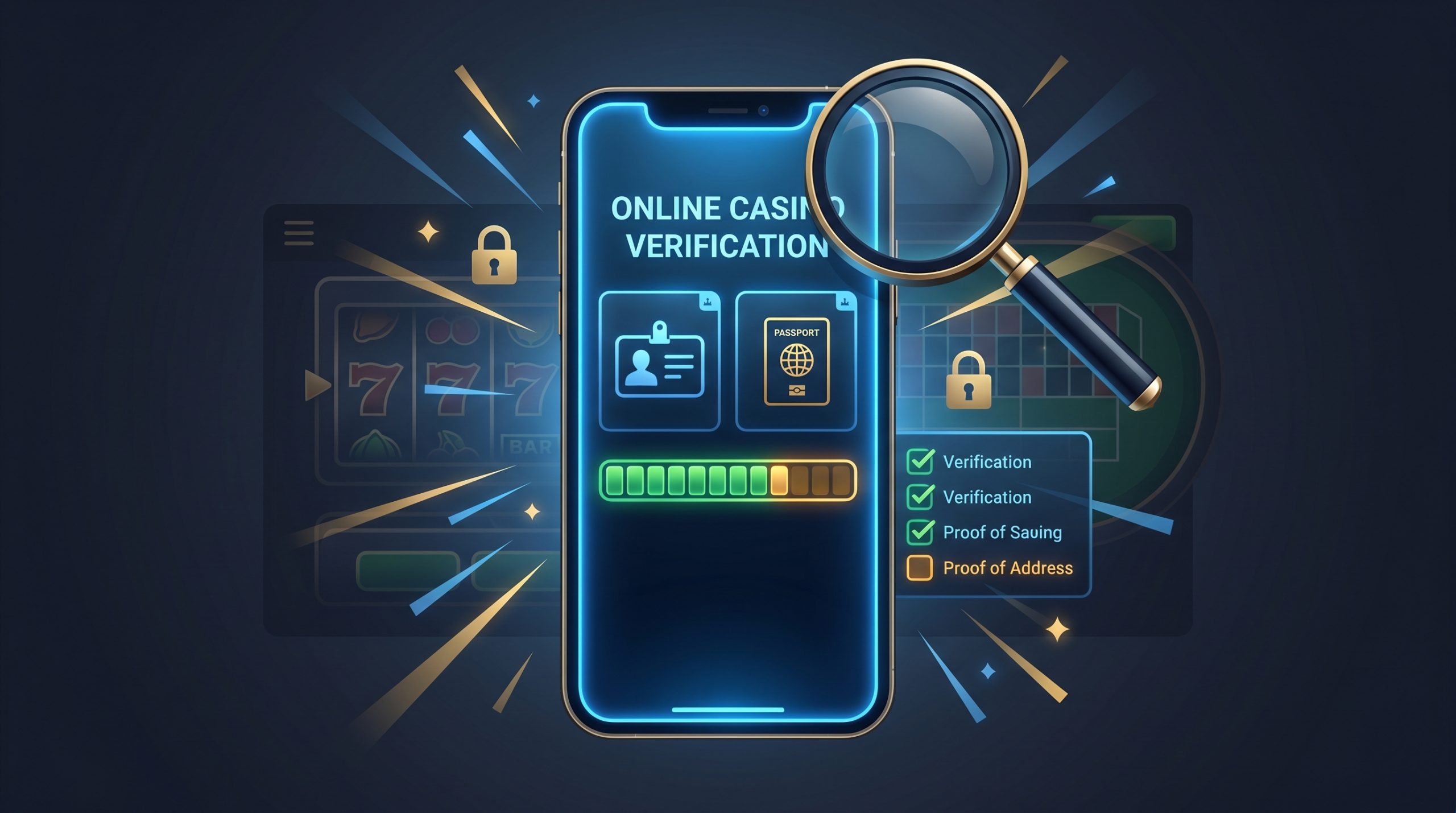
The deposit takes ten seconds. The first spin takes less than that. Everything about an online casino is designed to get you playing as fast as possible. Then you win something worth withdrawing, hit the cashier, and a message appears asking you to upload a photo of your driver’s licence, a utility bill, and maybe a selfie holding your ID next to your face. That’s KYC. And for most Canadian players, it’s the first time the casino asks them to slow down.
KYC stands for Know Your Customer, and it isn’t optional. Every regulated online casino in Canada is required to verify your identity before releasing funds. The frustrating part isn’t the requirement itself. It’s that the process is almost always triggered at the worst possible moment: when you’re trying to get paid. The casino had hours, days, sometimes weeks to ask for your documents while you were depositing and playing. It waited until you wanted money out.
That timing isn’t accidental, and understanding why it works this way changes how you should approach your first session at any new site.
What KYC Actually Is and Why It Exists
KYC verification is an identity check. The casino confirms that the person requesting a withdrawal is the same person who deposited, that they’re of legal gambling age, and that the funds aren’t connected to money laundering or fraud. Under Ontario’s regulatory framework, operators registered with iGaming Ontario must verify player identity as part of their licensing obligations. Grey market sites may have looser requirements, but that’s not a feature. It means less accountability if something goes wrong.
The documents typically requested are straightforward: government-issued photo ID (driver’s licence or passport), proof of address (a utility bill or bank statement dated within the last 90 days), and sometimes proof of payment method (a photo of the card used to deposit, with the middle digits obscured). Some operators also request a selfie for facial matching. The list sounds simple. The execution is where it gets messy.
When the Verification Request Actually Hits
Most online casinos don’t ask for documents at registration. You sign up with a name, email, date of birth, and address. You deposit with Interac e-Transfer and the money lands in seconds. No friction. No document upload screen. Nothing that slows you down.
The verification request is typically triggered by one of three events: your first withdrawal request, a withdrawal above a certain threshold (often $2,000 CAD, though this varies by operator), or a flag from the casino’s internal compliance system. The first withdrawal trigger is by far the most common. You could play for a week without being asked for a single document. The moment you try to cash out, the process begins.
Some provincially regulated operators in Ontario have started requiring verification closer to registration, which is a better approach for players even if it feels like more friction upfront. But this isn’t universal. At most sites, KYC remains a withdrawal gate.
Why the Timing Works Against You
There’s a reason casinos don’t front-load the verification process, and it isn’t complicated. Every step between a new player and their first deposit is a step where that player might leave. Asking someone to photograph their passport and upload a hydro bill before they’ve even seen the game lobby is a conversion killer. So the friction gets pushed to the back end, where the player is already invested.
The problem is that back-end friction hits differently. You’ve won. You’re ready to withdraw. And now you’re told to wait 24 to 72 hours while someone reviews a photo of your electricity bill. If the document is rejected for being blurry, cropped wrong, or older than 90 days, the clock resets. I’ve seen players describe waiting five to seven business days for a first withdrawal that should have taken one, entirely because of KYC delays they didn’t expect.
This is the structural issue. The casino’s incentive is to make depositing effortless and withdrawing just slow enough to stay compliant. Your incentive is the opposite. Understanding that misalignment is the first step to working around it.
How to Complete KYC Before It Becomes a Problem
The single best thing you can do at any new casino is submit your verification documents immediately after your first deposit, before you’ve played a single game. Most sites have an account settings or verification section in the profile menu. Upload everything the site accepts on day one. Even if the casino doesn’t require it yet, most will process early submissions.
Prepare three things before you even register. A clear, well-lit photo of your driver’s licence or passport, front and back. A recent utility bill or bank statement showing your name and address, dated within the last 90 days. And if you’re depositing by card, a photo of the front of the card with the middle eight digits covered. Have these saved on your phone or computer. The upload process takes about two minutes when you’re prepared. It takes considerably longer when you’re scrambling to find a bill that qualifies.
One detail that catches people: the address on your ID must match the address on your casino account, which must match the address on your proof-of-address document. If you’ve moved recently and your licence still shows your old address, sort that out first. Mismatched addresses are one of the most common reasons for document rejection.
What Happens During the Review
Once you submit documents, the casino’s compliance team reviews them. At larger operators, this is partially automated with software that reads the document and cross-references it against your account details. At smaller sites, it might be entirely manual. Review times vary significantly. Some operators complete verification within a few hours. Others quote 24 to 72 hours as standard. A few take longer.
During the review period, your withdrawal request sits in a pending state. At some casinos, you can continue playing with your remaining balance. At others, the pending withdrawal locks part or all of your funds. This is worth checking in the site’s terms before you request a cashout, because a locked balance during a multi-day review is an unpleasant surprise.
If a document is rejected, you’ll typically receive an email or account notification explaining why. Common reasons include: image too blurry, document expired, name doesn’t match account, address doesn’t match, or file format not accepted. You resubmit, and the review clock starts again. This is why getting it right the first time matters so much.
KYC on Grey Market Sites Is a Different Situation
If you’re playing at a site that isn’t provincially regulated, KYC still exists, but the rules around it are murkier. Offshore operators may request documents, delay the review, and use the pending period as a window where you might reverse the withdrawal and keep playing. That’s not speculation. It’s a well-documented pattern across the industry.
More importantly, if a grey market operator rejects your documents or delays your withdrawal indefinitely, your recourse is limited. There’s no provincial regulator to escalate to. With a site registered through iGaming Ontario, you have a formal complaints process through the AGCO. That doesn’t guarantee a fast resolution, but it guarantees someone with authority is listening. On an offshore site, you’re relying on the operator’s goodwill. That’s a meaningful difference when real money is involved. We’ve covered what you’re actually giving up on grey market sites in our breakdown of grey market versus regulated casinos.
The Connection Between KYC and Responsible Gambling Tools
There’s an angle to KYC that doesn’t get discussed enough. Identity verification is the mechanism that makes self-exclusion enforceable. If a casino doesn’t know who you are, it can’t prevent you from opening a second account after you’ve excluded yourself. Ontario’s BetGuard system, which we covered when it went live, relies on verified identity data to block excluded players across all registered operators. Without KYC, that system doesn’t work.
The same applies to deposit limits and session controls. These tools are tied to your verified account. If you’re playing at a site that never bothered to confirm who you are, those limits are trivially easy to circumvent by creating another account. Verification isn’t just a withdrawal gate. It’s the infrastructure that makes account-level protections meaningful.
Honest Assessment
KYC verification is not the problem. The problem is when it happens. A process designed to protect players and prevent fraud has been turned into a withdrawal speed bump at most online casinos because front-loading it would cost operators signups. That’s a business decision dressed up as a compliance workflow. The requirement is legitimate. The timing is strategic.
The fix, from a player’s side, is simple and entirely within your control: submit your documents the day you sign up. Don’t wait for the casino to ask. Treat verification as part of registration, even when the site doesn’t. Two minutes of effort on day one saves you days of frustration when you actually want your money. Every player who’s been stuck in a pending withdrawal while a compliance team reviews a blurry photo of a gas bill learns this lesson eventually. Learn it before that happens to you.
The casino made depositing instant because it benefits them. Make verification instant because it benefits you. That’s the only leverage you have in a process designed around someone else’s timeline, and it costs you nothing but a few minutes of preparation before your first session. If you want to understand the full two-stage withdrawal process that follows verification, that’s worth reading before your first cashout request.
Gambling is entertainment with a cost attached, so set limits before you play and visit our Responsible Gaming page for support resources, safer-play tools, and help options if gambling stops feeling fun.


Leave a Comment