
Microgaming Became Games Global. Most Players Didn’t Notice. That Was the Point.
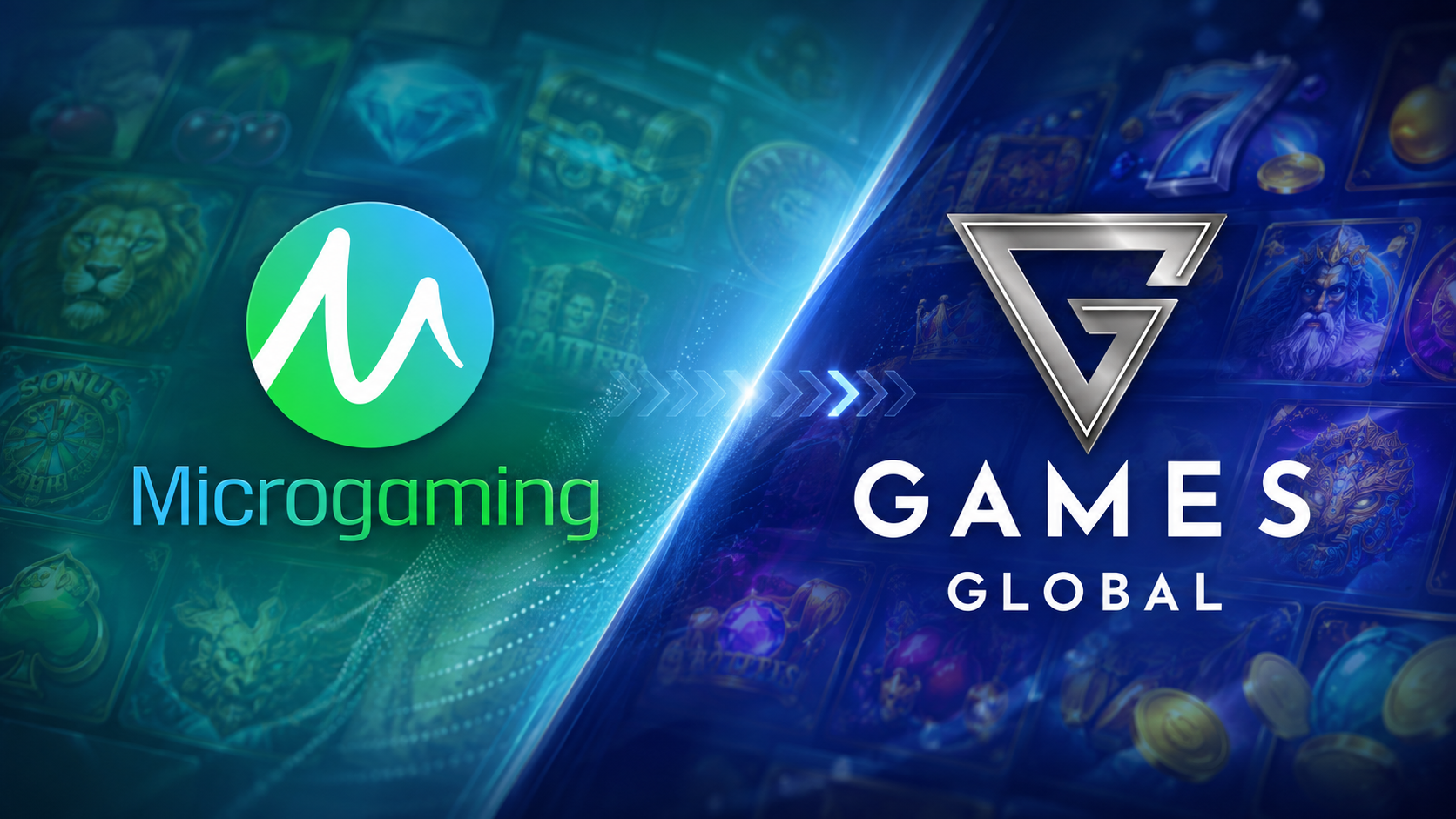
Microgaming was the name behind more Canadian casino lobbies than most players ever realised. Mega Moolah, Immortal Romance, Thunderstruck II, the progressive jackpot network that paid out over $1.5 billion in total. Then, in 2022, the company handed its entire game portfolio, its distribution network, and its progressive jackpot system to a new entity called Games Global. The games didn’t change. The lobbies didn’t change. The jackpot tickers kept ticking. And that seamlessness was deliberate.
What looks like a simple rebrand is actually a restructuring of how one of the largest game libraries in the industry gets built, distributed, and maintained. The shift matters less for what you see in your casino lobby today and more for what it signals about who controls the supply chain behind it.
Here’s what actually happened, what the official narrative leaves out, and whether any of it changes how you should think about the games you’re already playing.
What Microgaming Was to Canadian Players
Microgaming was, for over two decades, the single most common game supplier behind Canadian-facing online casinos. If you played at Jackpot City, Spin Casino, Ruby Fortune, or any of the Rewards Group network sites, the backbone was Microgaming’s platform. The company didn’t just make games. It ran the aggregation platform that delivered them, managed the progressive jackpot network that linked them, and provided the back-end infrastructure that operators built their casinos on.
For Canadian players specifically, Microgaming’s footprint was enormous. The Mega Moolah progressive jackpot alone became one of the most recognisable names in any lobby. Immortal Romance and Thunderstruck II are still among the most-played slots at Canadian-facing operators today. The brand name “Microgaming” appeared in game info screens, lobby filters, and marketing materials across dozens of sites Canadians use regularly.
What Actually Happened (and What the Statement Isn’t Saying)
In May 2022, Games Global Limited officially took over Microgaming’s entire B2B gaming supply business. This included the content aggregation platform, the progressive jackpot network, existing operator agreements, and the relationships with the independent studios that had been building games under Microgaming’s umbrella for years. Microgaming itself stepped back from the supply side entirely.
The official framing was straightforward: Games Global would continue everything Microgaming had been doing, with the same games, the same studios, and the same jackpot network. The transition was positioned as seamless. And on the surface, it was. No games disappeared from lobbies. No jackpots reset. No operators scrambled to replace their catalogues.
What the announcement didn’t emphasise is that this wasn’t a name change. Microgaming and Games Global are different companies. Games Global acquired the business. The people running the supply chain, the commercial priorities, and the strategic direction all shifted to a new ownership structure. When a company says “nothing changes for players,” that’s usually true in the short term and incomplete as a longer-term statement.
The Mechanism Behind It
To understand why this happened, you need to understand how Microgaming’s model worked by the end. Microgaming had largely stopped developing games internally. Instead, it operated as a platform and distribution network for dozens of independent studios. Studios like Stormcraft, SpinPlay Games, All41 Studios, and others built games that were branded and distributed through Microgaming’s aggregation layer. Microgaming provided the reach. The studios provided the content.
This model is common in the industry now. Pragmatic Play, Evolution, and other major suppliers use variations of it. But Microgaming’s version had grown unwieldy. The company was managing relationships with over 40 independent studios, running a massive progressive network, and maintaining a platform that powered hundreds of operators. The acquisition by Games Global was, in practical terms, a transfer of that management burden to a company structured specifically to handle it.
Games Global now manages relationships with more than 50 content partners and distributes over 3,000 games. The progressive jackpot network, which includes Mega Moolah, remains the largest of its kind. The commercial incentive is clear: control the aggregation layer and you control access to one of the biggest game libraries available to operators.
What It Actually Signals
The Microgaming-to-Games-Global transition is part of a broader pattern in the online casino supply chain. The companies that control distribution and aggregation are becoming more important than the companies that make individual games. If you’re an operator, you don’t want to sign 50 separate studio contracts. You want one aggregation deal that gives you access to thousands of titles. Games Global, EveryMatrix, Light & Wonder, and Pragmatic Play are all competing for that position.
For the Canadian market specifically, this matters because aggregation platforms determine which games appear in which lobbies. If Games Global decides to prioritise certain studios, adjust revenue share terms, or restructure how the progressive jackpot contributions work, those decisions ripple through every operator using the platform. The player sees the same game thumbnails. The economics underneath can shift without any visible change.
I’ve seen this dynamic play out enough times to know the pattern. When the supply chain consolidates, the short-term experience stays stable. The longer-term effects show up in game variety, RTP configurations, and which studios get prominent placement. None of that is visible from the lobby.
What Changes for Players (If Anything)
Right now, honestly, very little. If you play Mega Moolah, Immortal Romance, or any of the former Microgaming titles, the games are identical. The RTP configurations haven’t changed as a direct result of the transition. The progressive jackpot network still pools across the same operator base. Your casino lobby looks the same as it did before the switch.
The practical thing worth knowing is this: when you see “Games Global” or “Gameburger Studios” or “SpinPlay Games” in a game’s info screen where you used to see “Microgaming,” that’s the same supply chain with more transparent labelling. The studios that were always making the games are now more visibly credited. That’s actually a minor improvement for players who want to know who built the game they’re playing.
The area to watch is RTP configurations. Games Global distributes games to operators, and operators can, in many cases, select from multiple RTP settings offered by the provider. This was true under Microgaming too, but it’s worth repeating: the RTP shown in a game’s info screen at one casino may differ from the same game at another casino. Games Global’s role as the distribution layer doesn’t change this, but it doesn’t fix it either. Always check the info screen at the specific operator you’re playing at.
Honest Assessment
The Microgaming-to-Games-Global transition was designed to be invisible to players, and it succeeded at that. The games are the same. The jackpots are the same. The operators are the same. If you’re playing at a Canadian-facing casino that ran Microgaming’s platform before 2022, your day-to-day experience hasn’t changed in any way you’d notice.
But “nothing changed for you” and “nothing changed” are different statements. The ownership of one of the largest game distribution networks in the industry moved to a new company. The commercial relationships that determine which games get built, which studios get funded, and how progressive jackpot contributions are structured are now under different management. That’s not a crisis. It’s also not nothing. It’s the kind of supply-chain shift that matters more to the people building your casino lobby than to the people using it, but supply-chain decisions have a way of reaching the player eventually. They just arrive quietly.
The name on the game changed. The game didn’t. That’s the honest version. Whether the next chapter plays out the same way depends on decisions being made in boardrooms that don’t publish minutes. For now, the Mega Moolah ticker is still running, and the slots in your lobby still spin the same way they did when Microgaming’s name was on them. Keep checking the info screen. That part never changes.
Gambling is entertainment with a cost attached, so set limits before you play and visit our Responsible Gaming page for support resources, safer-play tools, and help options if gambling stops feeling fun.
Leave a Comment