
RTP and Volatility: The Two Numbers That Actually Explain Your Casino Experience
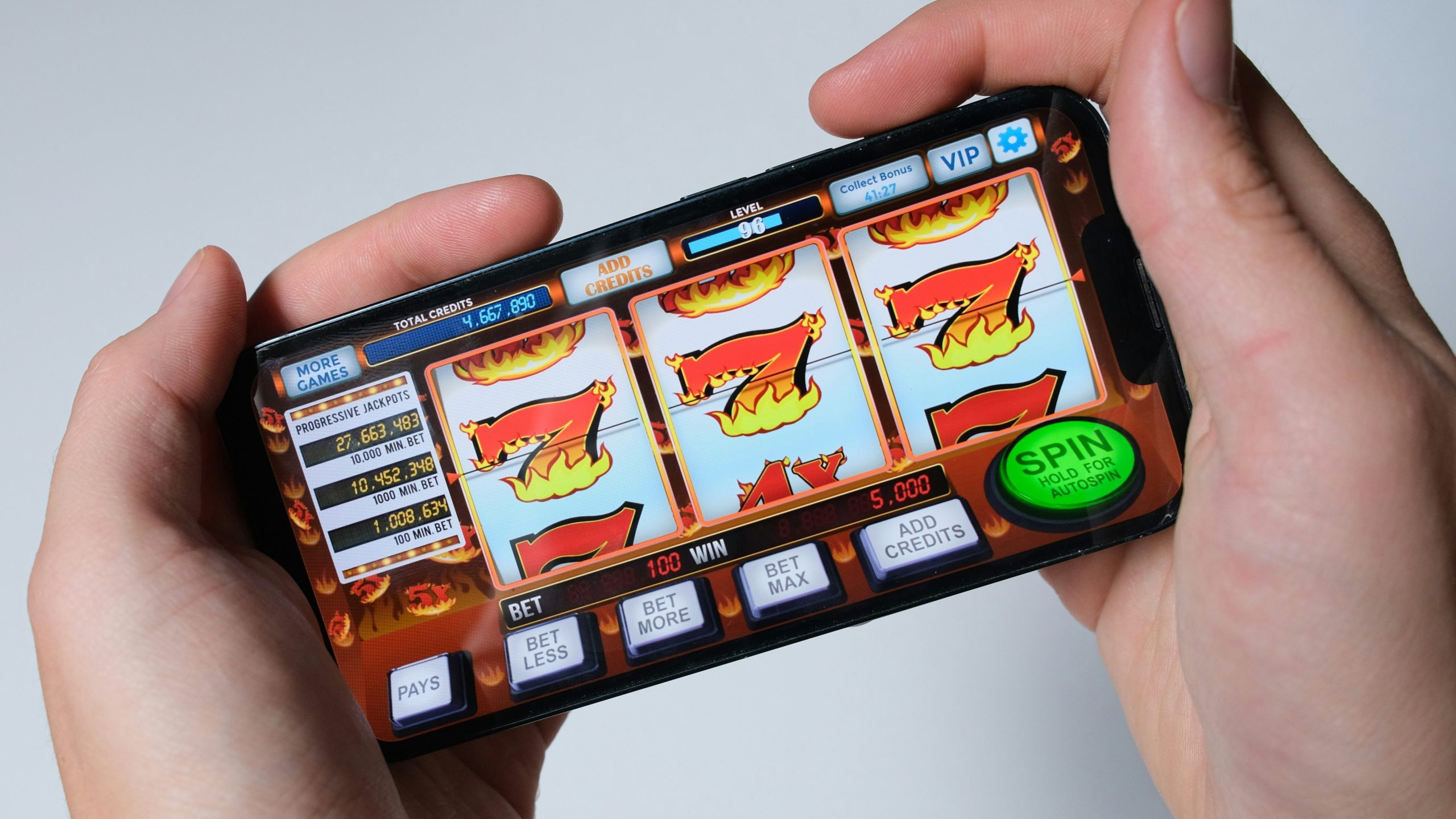
Most players look at the game library. Some look at the bonus. Almost nobody looks at the two numbers that explain why a session goes the way it does.
RTP and volatility are not secret strategies. They are not a system. But understanding them honestly — without the hype that usually surrounds them — changes how you read a game, set expectations, and decide when something is worth your time and when it is not.
What RTP Actually Means (And What It Doesn’t)
RTP stands for return-to-player. It is expressed as a percentage. A slot with 96% RTP is theoretically designed to return $96 for every $100 wagered over a very large number of spins.
The part most players miss is that last phrase: over a very large number of spins.
RTP is a mathematical model applied across millions of game rounds. It is not a promise for your session. It is not a refund schedule. A 96% RTP slot can eat $200 in twenty minutes and also pay out $800 in a single bonus round — and both outcomes are consistent with the math.
Think of RTP as a description of how the game is built, not a prediction of how your next hour will go.
Higher RTP is generally better for the player, all else equal. A 94% slot returns less, on average, over time than a 97% slot. But “on average over time” is doing a lot of work in that sentence. Your individual session is not average. It is one short sample of a very long distribution.
Where to find RTP: many online casino games display it in the information panel or paytable. Some providers publish it on their websites. Others vary RTP by market or operator, which is worth knowing. The same game can have different RTPs depending on where you are playing it, so checking the in-game paytable rather than a general number you found in a review is the better habit.
Volatility Is the Part Most Players Ignore
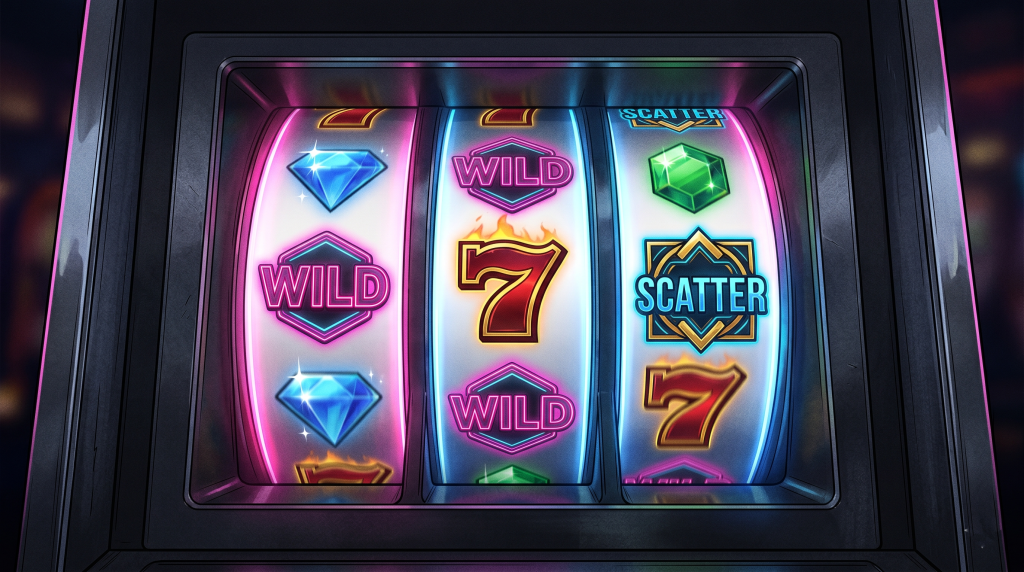
If RTP tells you how much a game returns over time, volatility tells you how it delivers that return. And this is where the real experience difference lives.
Low volatility means more frequent, smaller wins. The session tends to feel steadier. Your balance moves up and down in smaller increments. You might play longer before hitting a significant loss or a significant gain. Low volatility games tend to suit players who want extended play time or are working through a bonus with wagering requirements.
High volatility means wins are less frequent but can be larger when they arrive. Long dry stretches are common. The balance can drop steadily for many spins and then recover sharply — or not. High volatility games tend to suit players who are comfortable with that kind of session rhythm.
Medium volatility sits between the two, though that label gets applied loosely by game providers.
The honest version: high volatility is not better than low. It is different. It is a trade-off between frequency and size. Neither one beats the casino. What volatility does is shape the experience and, importantly, the risk of a short session going badly before anything hits.
Why This Matters More Than the Bonus
Here is something that gets lost in the bonus conversation: wagering requirements interact directly with volatility.
If you pick up a bonus with a 40x wagering requirement and load it into a high volatility slot, you are accepting a session structure where you may chew through a significant chunk of the playthrough in dry stretches before anything lands. Low volatility games tend to generate more consistent turnover, which is why some bonus terms restrict high-volatility games or exclude them from bonus play entirely.
When you are reading a bonus offer, the volatility of the games you plan to play matters. Not as a loophole, not as a strategy — but as a realistic expectation-setter for how long and how comfortably you can get through the terms.
Some casinos also vary bonus contribution by game type. A slot at 100% contribution and a slot at 20% contribution can sit next to each other in the lobby and look identical from the outside. That detail lives in the bonus terms, not in the game itself.

The Myth of “Hot” and “Cold” Games
RTP and volatility explain a lot of session dynamics that players sometimes attribute to other things.
A high volatility slot that has not paid in fifty spins is not “due.” There is no memory in a slot’s random number generator. Each spin is independent. The previous fifty spins do not influence the next one. This is one of the most persistent misconceptions in casino gaming, and RNG-certified casino games are specifically built to prevent any such pattern from existing.
Low RTP and high volatility combined is the configuration that tends to produce the most frustrating sessions. High RTP and low volatility is typically the most stable entertainment experience, though neither configuration changes the fundamental math: you are paying for the experience, and the house edge is real.
What to Actually Check Before You Play
If you want to make a more informed choice before loading a game, here are three practical checks:
RTP: Look in the game’s info panel or paytable. If a site only shows a general number without specifying whether it is the base RTP or a game variant, note that gap. Some operators configure lower RTP versions for their platform.
Volatility: Many providers publish this directly, often as low/medium/high or as a numerical rating. If the game doesn’t show it, check the provider’s website or look at a community review that specifically addresses session behaviour.
Bonus game rules: Before using a bonus, read whether certain games are restricted or carry a reduced contribution rate. Volatility and wagering requirements interact in ways that make this worth five minutes of reading.
None of this is a system. None of it changes the house edge. What it does is reduce the gap between what you expect and what you actually get.
A Note on RTP Claims in Casino Advertising
Casinos and game providers sometimes lead with high-RTP claims as a selling point. Take those with appropriate skepticism. RTP is a long-run mathematical figure — publishing it prominently is a choice that sounds player-friendly but doesn’t change the session-level reality for most players.
Understanding the number is more useful than being impressed by it.
Gambling is entertainment with a cost attached. RTP and volatility are just two tools for understanding what kind of entertainment you are buying and roughly what it costs over time. Set a session budget, know how the game is built, and visit our Responsible Gaming page for tools, resources, and support if gambling stops feeling like entertainment.

Leave a Comment